Brian Bee FrankLouder & Prouder

1977–2026

The story of Brian Bee Frank

Three bands. Two continents. One voice. The whole arc — from the Toronto metal clubs to a solo debut five decades later — told in order, for the first time in one place.

Or fly through it — the cinematic 45-year journey
  1. Act one

    1977–1985

    Rapid Tears — the Toronto years

    It begins in Toronto in the late seventies. A young Brian “Bee” Frank fronts Rapid Tears in a metal scene that fills clubs like the Gasworks and El Mocambo — the same circuit that raised bands like Anvil.

    Rapid Tears put out singles — Operation Airlift (1980), Headbang (1981) — the album Honestly and the EP Cry for Mercy (1984). None of it is on streaming; the original vinyl has become collector material, hunted by fans of early Canadian metal.
  2. The turning point

    1985–1990

    The bridge to Sweden

    In 1985, in a Toronto studio called The Sound Kitchen, Frank meets a Swedish musician: Anders “LA” Rönnblom. He guests on four of Rönnblom’s tracks — a chance session that redraws the map of his life.

    In 1987 he records an album in Sweden that never sees release. In 1990 he makes the move permanent: Toronto to Sweden, for good. His first Swedish band, Desert Rain, lasts about two years — one record, and shows across Scandinavia and Russia.

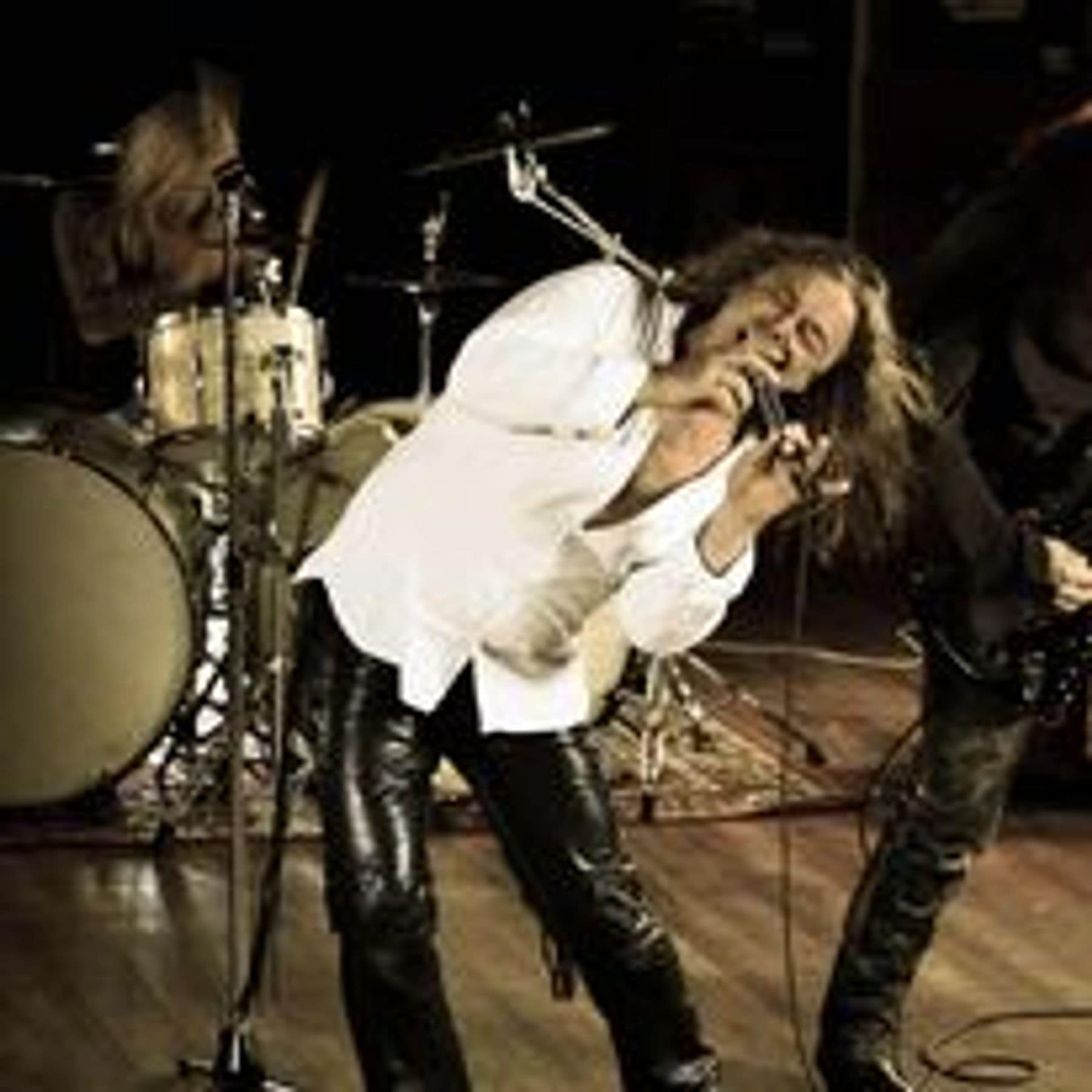
    Brian Bee Frank live on stage with the full band
  3. Act two

    1992–1998

    Killer Bee — the first swarm

    With Rönnblom he founds Killer Bee — the band that becomes his life’s central act. In 1992 they play Moscow’s Red Square, in the first years after the wall came down: a story very few Western rock bands can tell.

    Three albums follow in the nineties — Raw (1993), Cracked Up (1995) and World Order Revolution (1997), the latter featuring Kee Marcello of Europe — alongside relentless touring, before the band goes quiet around 1998.

  4. Act two, part two

    2011–2019

    The comeback decade

    Killer Bee returns in 2011 with the compilation Almost There, and the records keep coming: From Hell and Back (2014), Rock Another Day (2015), Killing You Softly and Eye in the Sky (both 2016) — the latter recorded at Charger Studios in Örnsköldsvik with Frank as producer, engineer and mixer.

    2015 is the American year: with guitarist Paul “Tonka” Chapman (ex-UFO) in the line-up, Killer Bee plays a nine-week North American tour — 40 cities across 35 states — followed by a UK tour in 2017 and shows documented into 2018.

    The era closes with a final burst: the Tapes from the Attic EP (2018), a run of singles, and the album Remember the Times (2019).

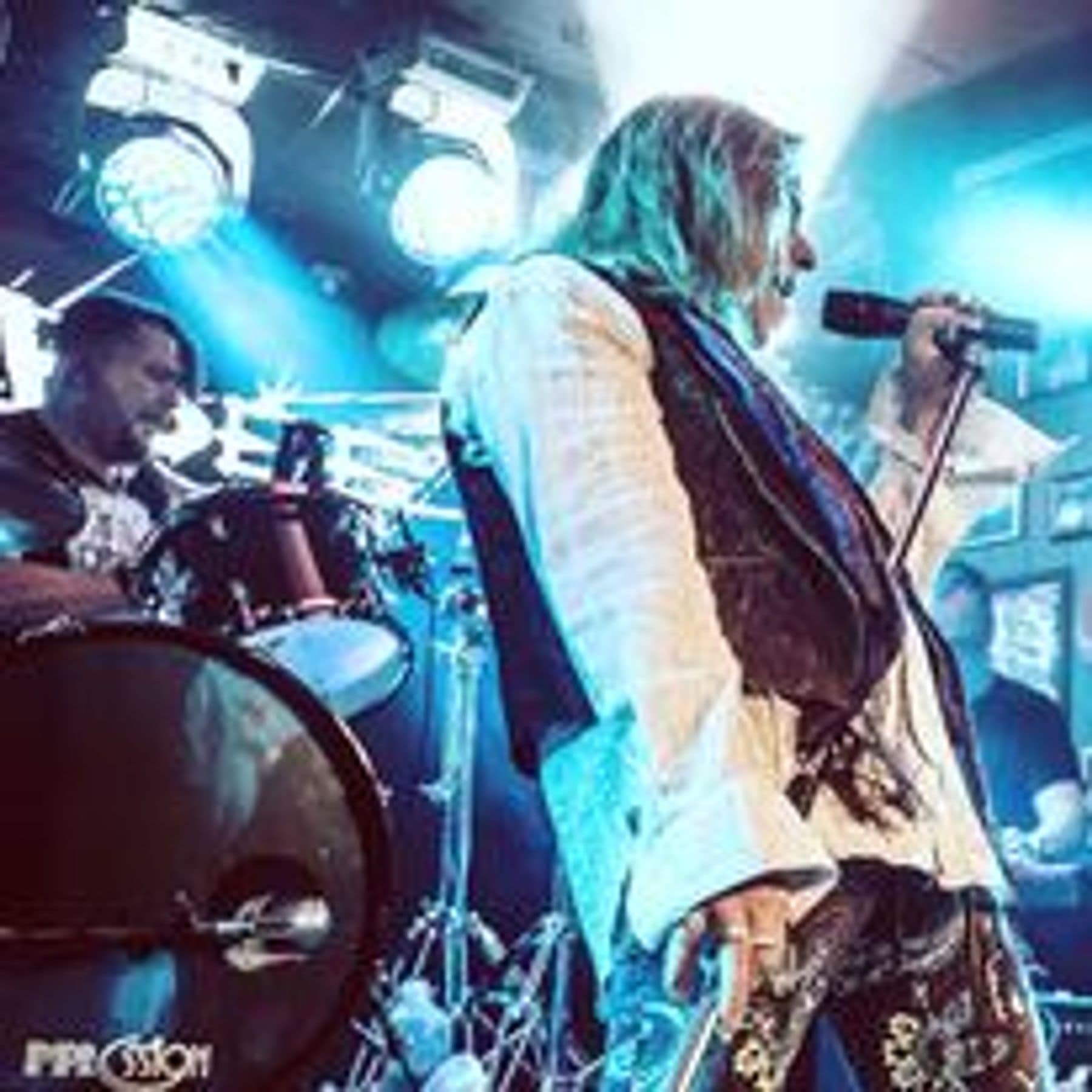
    Brian Bee Frank on stage in blue light with Killer Bee
  5. Act three

    2022–2025

    Syndicated Madness

    In 2022 Frank starts over — deliberately smaller and deliberately freer. Syndicated Madness is a studio partnership with multi-instrumentalist Pelle Karlsson (Louise Hoffsten, Electric Boys, The Boppers), who plays Hammond, piano, bass and guitar across the album It’s Not The End (2022).

    The concept is a homecoming: back to the early-seventies records that made him — Bowie, ELP, Genesis, Alice Cooper, Zeppelin, Purple, The Guess Who, The Doors, Janis Joplin. The CD is a numbered edition of 300, each personally signed.

  6. Act four begins

    2026

    Louder & Prouder — the solo debut

    In February 2026 comes the record that finally carries his own name: Chasing The Dragon, credited “Brian Bee Frank & Syndicated Madness”. Five tracks — Hate, Living in the Changes, Time, Shake It Loose, Let Me Come Home — produced, engineered and mixed by Frank himself.

    A wave of press follows: Plus One Reviews calls it “A Lifetime of Truth in Every Beat”; a career feature coins the phrase The Analog Awakening. After 45+ years on stage, the story keeps moving — as he puts it himself: Louder & Prouder, straight ahead into the future.

    Chasing The Dragon EP cover — Brian Bee Frank & Syndicated Madness

Every release, in one place

21 releases across 46 years — with cover art, track lists and streaming links where they exist.

Open the discography